
“What should I learn first?” It’s a question all new students ask. It’s a good question, and an important one.
The guitar offers an almost endless amount of things to learn. You can find thousands of videos teaching songs, scales, chords, techniques, and exercises. While having so many resources available is helpful, it can also leave beginners feeling overwhelmed and unsure where to start.
Over the years, I’ve taught students of all ages and backgrounds. Some were picking up a guitar for the very first time. Others were returning after years away from playing. No matter their starting point, the students who made steady progress usually had one thing in common: they followed a clear learning path instead of trying to learn everything at once.
If you’re wondering what to focus on first, here are the fundamental skills I recommend building in the early stages of learning guitar.
Start by Learning the Parts of the Guitar
Before worrying about songs or chords, spend a little time becoming familiar with the instrument itself.
Learn the names and functions of the major parts:
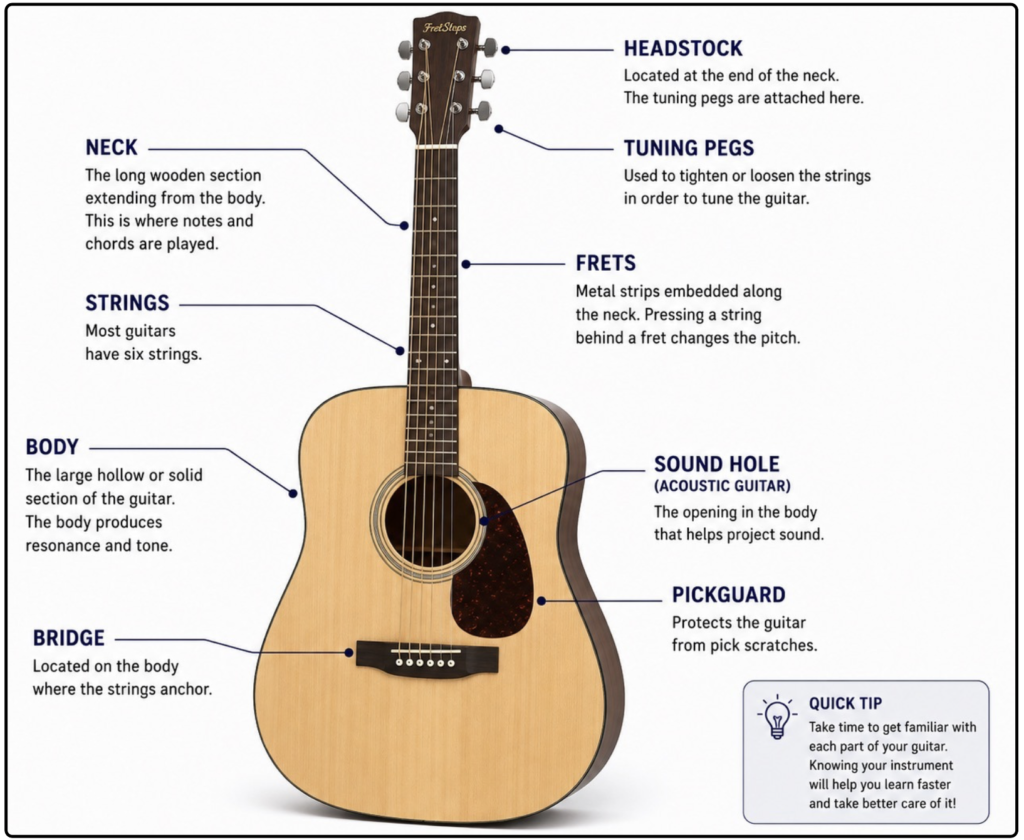
Understanding basic guitar terminology makes lessons, books, and instructional videos much easier to follow. It also helps you communicate more effectively when asking questions or seeking help.
This step may seem simple, but it provides a useful foundation for everything that follows.
Learn How to Hold and Tune the Guitar
Many beginners are eager to jump straight into playing songs. However, proper setup and positioning can save a lot of frustration later.
Spend time learning:

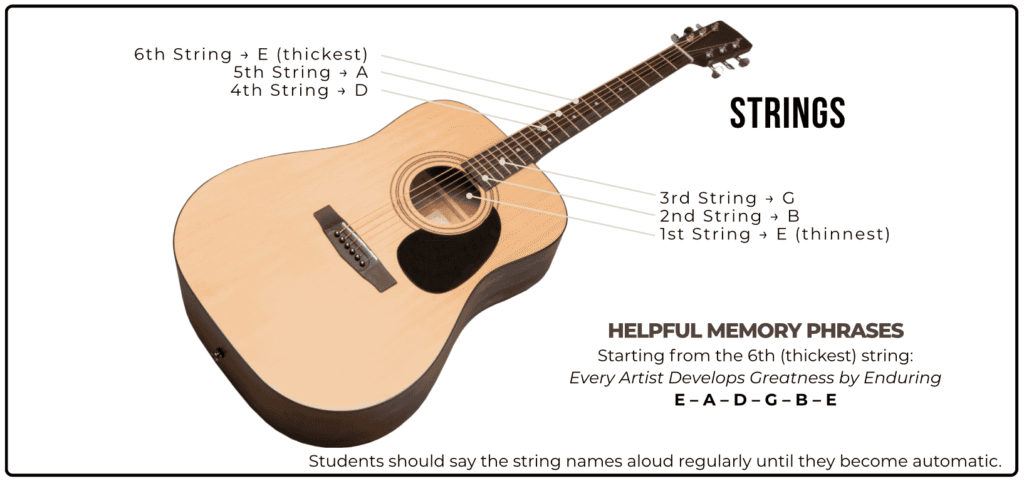
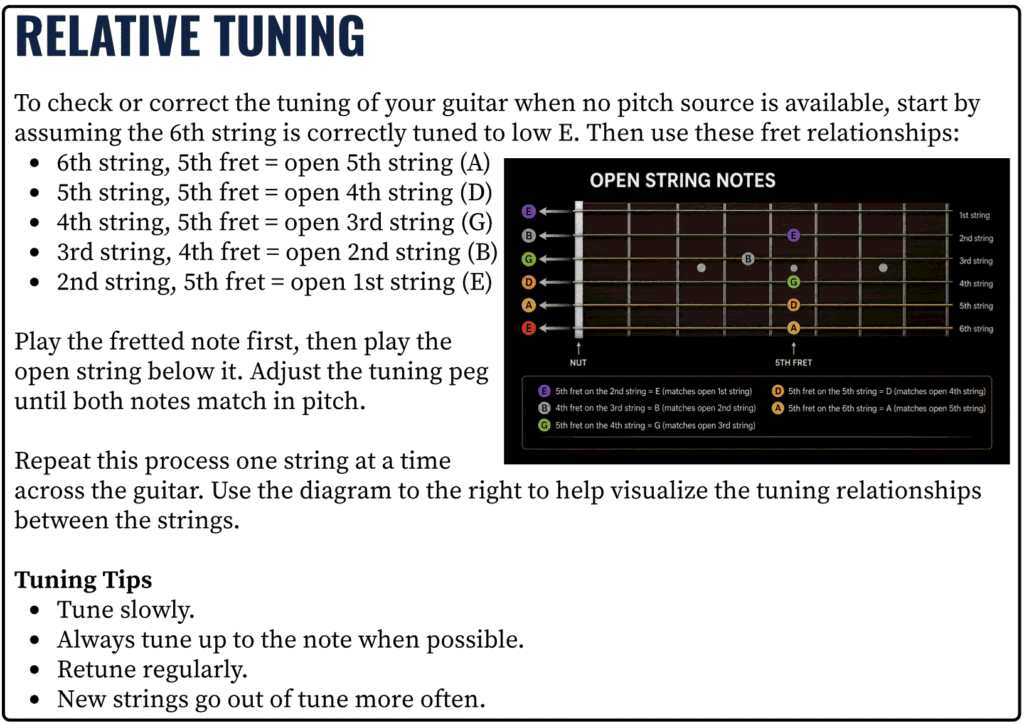
As a teacher, I’ve often seen students struggle with techniques that were actually caused by posture or hand-position issues. Small adjustments early on can make playing feel much more comfortable.
Learning to tune your guitar is especially important. Even simple chords can sound unpleasant if the instrument is out of tune.
Focus on a Small Group of Basic Chords
Chords are the foundation of countless songs.
Rather than trying to memorize dozens of chord shapes immediately, focus on a small group of beginner-friendly chords first.
Common starting chords include:
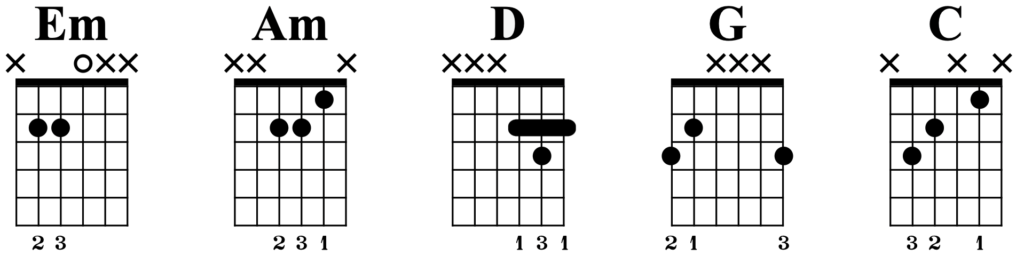
These chords appear in many popular songs and help develop finger coordination.
At first, changing between chords may feel slow and awkward. That’s completely normal. Nearly every guitarist goes through this stage.
One thing I’ve learned after years of teaching is that students often underestimate the value of slow practice. Taking the time to make clean chord changes is usually more productive than rushing through them.
Develop a Steady Strumming Rhythm
Many beginners focus almost entirely on finger placement and forget about rhythm. In reality, rhythm is one of the most important musical skills you can develop.
Start with simple down-strum patterns while counting a steady beat. Once that feels comfortable, gradually introduce basic up-strums and more varied rhythms.
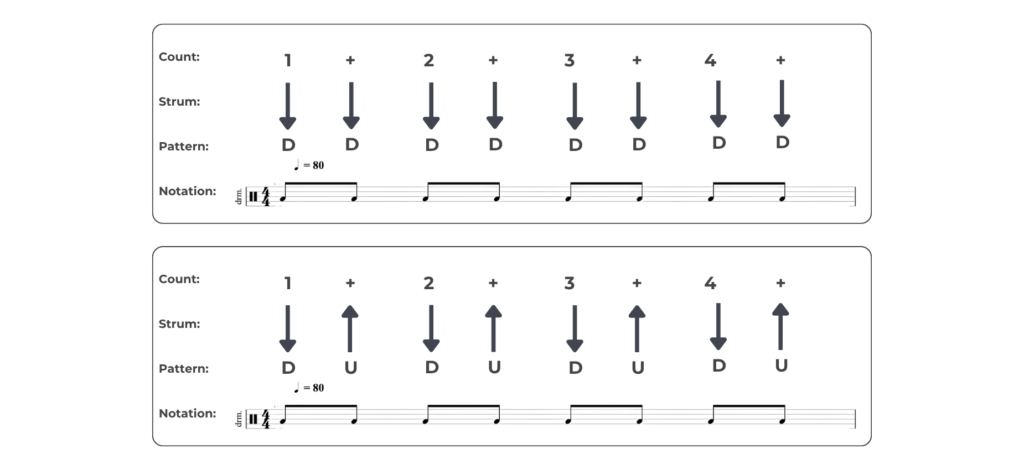
You don’t need complicated strumming patterns right away. A simple, consistent rhythm often sounds far more musical than a complex pattern played unevenly.
Parents of younger students are often surprised to discover that rhythm can be one of the more challenging aspects of learning guitar. That’s perfectly normal. Rhythm develops over time through repetition and listening.
Learn a Few Simple Songs Early
One mistake some beginners make is spending months practicing exercises without ever playing actual music. While exercises have their place, songs provide motivation and help connect skills together.
Choose songs that:
Simple songs allow you to apply chord changes, strumming, and timing in a practical way.
As students gain confidence, they begin to see how individual skills work together to create music.
Build Basic Finger Strength and Coordination
The physical side of playing guitar takes time to develop. Your fingertips may feel tender at first. Certain chord shapes may feel uncomfortable. Fingers may not always move where you want them to go. These experiences are normal parts of the learning process.
Short, regular practice sessions are usually more effective than occasional marathon sessions.
In my experience, students who practice consistently—even for just 10 to 20 minutes a day—often build coordination more effectively than those who practice for long periods only once or twice a week.
Progress may feel gradual, but small improvements add up over time.
Avoid Trying to Learn Everything at Once
This may be the most important advice of all.
Today’s guitar students have access to an incredible amount of information. While that’s a great advantage, it can also create distractions.
I’ve worked with many students who became stuck because they were trying to learn:
—all at the same time.
The students who tended to make the steadiest progress focused on mastering one skill before moving to the next.
Learning guitar is not a race. Every player develops at their own pace. A structured, step-by-step approach helps reduce frustration and allows each new skill to build naturally on the previous one.
Conclusion
When you’re starting guitar, it’s easy to wonder if you’re learning the right things in the right order.
The good news is that you don’t need to learn everything immediately.
Focus first on understanding the instrument, developing good playing habits, learning a handful of basic chords, building steady rhythm, and playing simple songs. These skills create a strong foundation that supports future growth.
Over many years of teaching, I’ve seen that successful guitar learning is rarely about finding shortcuts. More often, it’s about following a clear path, practicing consistently, and allowing skills to develop one step at a time.
Whether you’re a complete beginner, returning to the guitar after years away, or helping a child begin their musical journey, remember that steady progress is still progress. Every practice session adds something valuable, even when improvement feels small.
About the Author
Daryl is the creator of the FretSteps Guitar Method and has over 25 years of playing and teaching experience. He helps beginner and developing guitar players learn through a structured, step-by-step approach designed to build confidence and lasting musical skills.